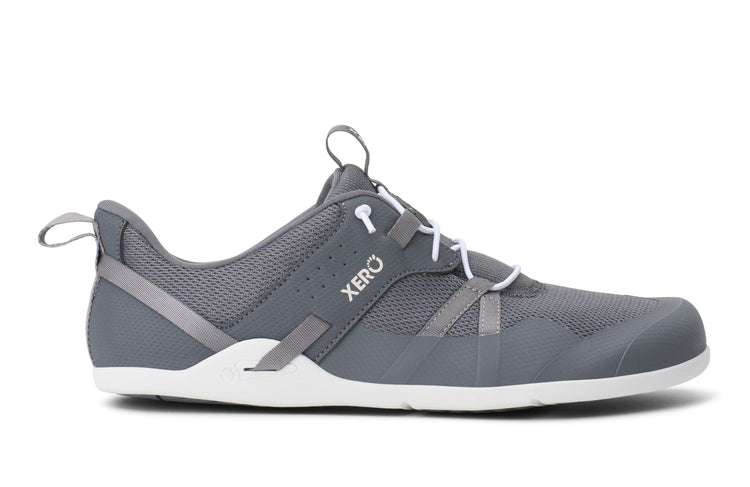
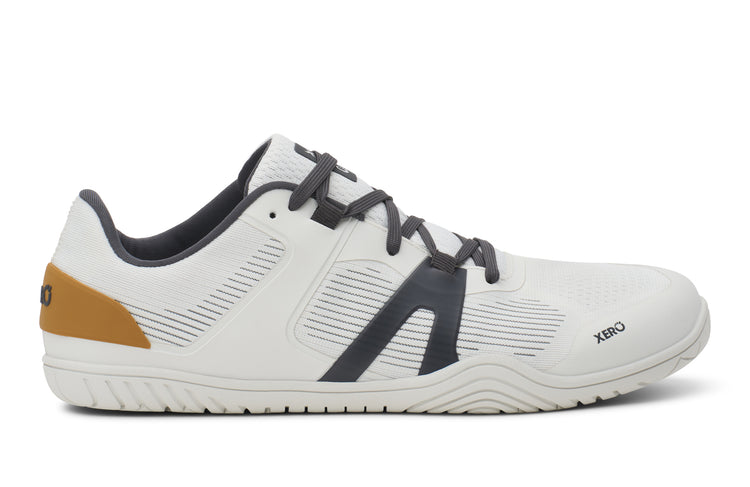
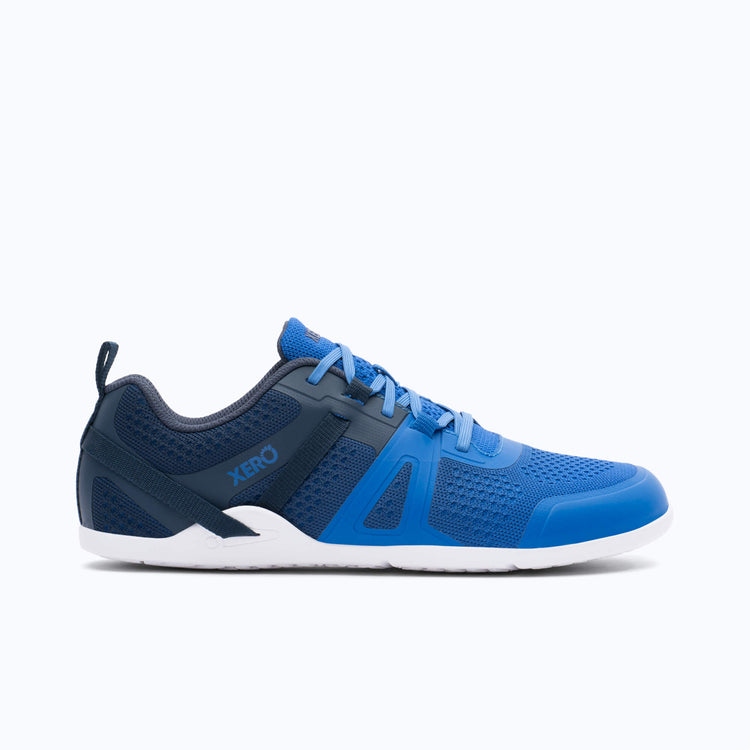
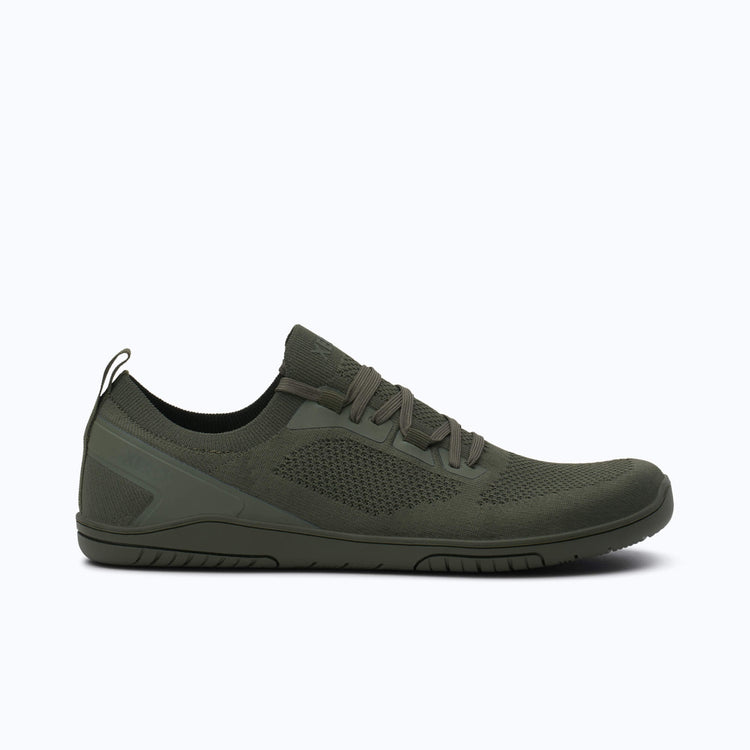
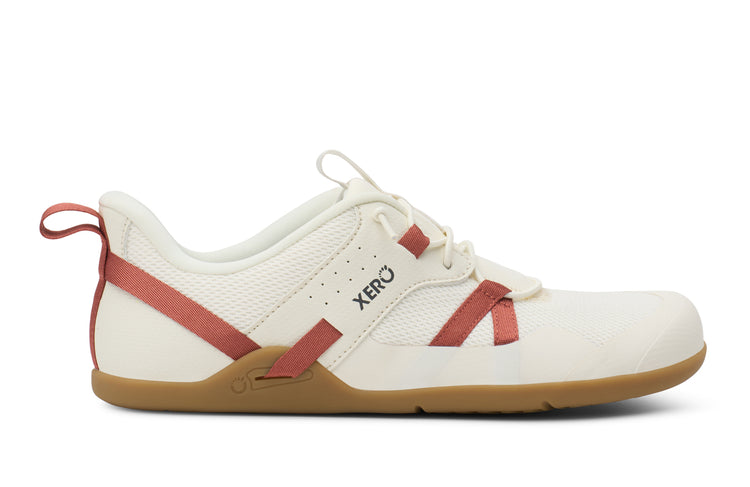
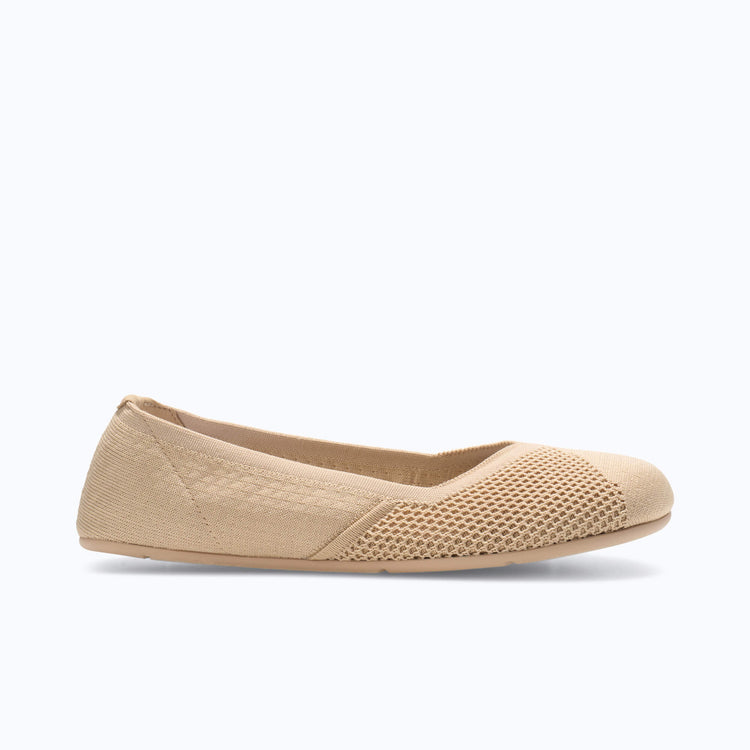
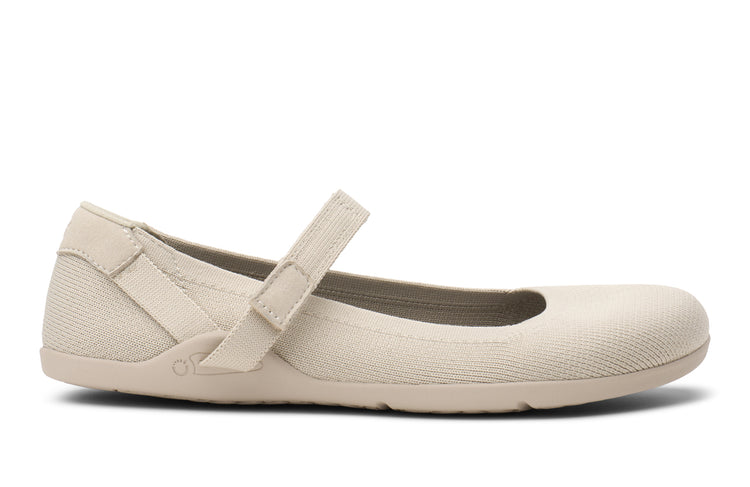
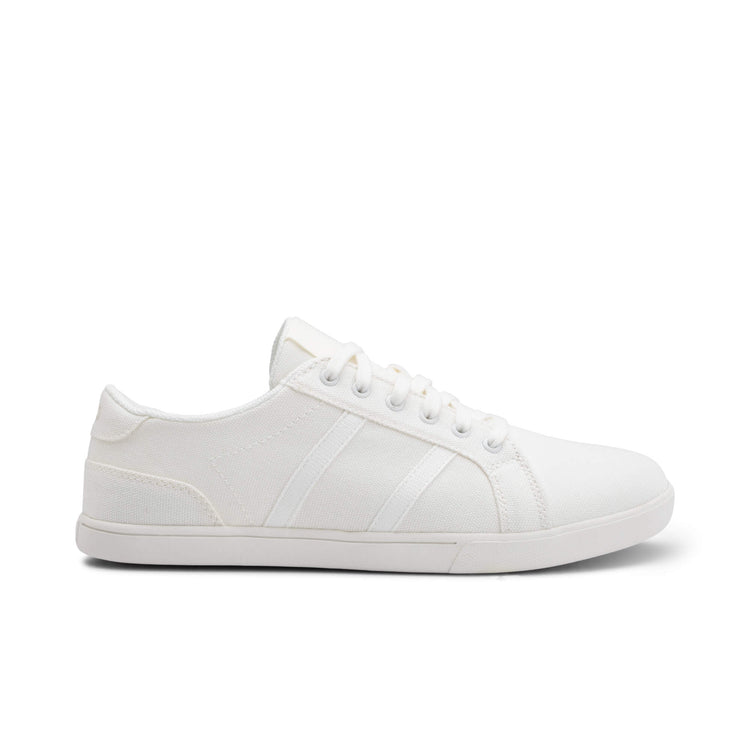
Why Barefoot Shoes?
Your feet contain 26 bones, 33 joints, and over 100 muscles, tendons, and ligaments — designed over millions of years to carry you across every terrain on earth. Barefoot shoes give your feet their job back.

Flexible Soles
Thin, flexible soles let your feet bend and feel the ground naturally

Wider Toe Box
Foot-shaped design gives your toes space to splay for balance and power

Zero Drop
Heel and forefoot at the same height for natural posture and alignment
Your Foundation
Your Feet Are Remarkably Capable — Modern Shoes Just Don't Know It

Your feet are your foundation — and they're far more powerful than most shoes let them be. Conventional footwear squeezes your toes, stiffens your stride, and cuts you off from the ground. Without all that in the way, movement becomes fluid and responsive — your foot lands softly, your arch stores and releases energy like a spring, and your toes do what they're made to do: stabilize, grip, and keep you balanced.
Every step is part of a full-body kinetic chain, from the ground up through your ankles, knees, hips, and spine. When your feet move freely, your whole body follows — better balance, better posture, better mobility.
And the shaping begins.
The Problem
How Modern Footwear Works Against Your Body
Three design features of conventional shoes work against your body daily: elevated heels alter posture and gait, narrow toe boxes deform feet over time, and rigid soles cut off the sensory feedback your brain needs to move well.

The Heel Raise Problem
Most conventional shoes elevate the heel 8-12mm above the forefoot. Over years of daily wear, this shortens the Achilles tendon, tips your pelvis forward, and trains your body to heel-strike — sending impact forces up your shin and into your knee rather than dispersing through your foots natural spring system.

The Narrow Toe Box Problem
Your foot is widest at the toes. Most shoes are not. A tapered toe box squeezes all five toes together, suppresses the natural splay of your big toe — your primary balance anchor — and deforms the forefoot over time. Research links prolonged use of narrow-toed footwear to bunions, hammer toes, and neuromas.

The Sensory Deprivation Problem
Thick, rigid soles cut off the thousands of sensory nerve endings in your feet that communicate ground information to your brain in real time. When your brain receives less data, it moves more cautiously. Your gait becomes less skillful, your balance more dependent on external support, and your intrinsic foot muscles weaker from disuse.
Side-by-Side
Barefoot Shoes vs. Regular Shoes: What's Actually Different?
Five design differences separate barefoot footwear from conventional shoes — and each one changes how your body moves.

Same foot. Different shape.
| Difference | Regular Shoes | Barefoot Shoes |
|---|---|---|
| Misalignment vs. Alignment | 8–12mm elevated heel tips you forward, straining ankles, knees, hips, and back — the weakest link taking the most impact | Zero drop — heel and forefoot level for correct posture and alignment from the ground up |
| Constraint vs. Freedom | Pointy toe box squeezes your toes together — you wouldn't do push-ups with your fingers squished up, would you? | Wider, foot-shaped toe box lets your toes spread and splay naturally for better balance and power |
| Weak vs. Strong | Stiff soles are like putting your feet in a cast — research shows arch support alone reduces intrinsic foot muscle size in flat-footed adults by up to 17% in just 12 weeks (Protopapas & Perry, 2020) | Flexible soles let you use the joints, muscles, ligaments, and tendons in your feet — just walking in a barefoot shoe strengthens them |
| Numbness vs. Awake | Excessive cushioning blocks signals from 200,000 nerve endings — information your brain needs to move efficiently and avoid injury | Just-right protection keeps your feet safe while giving your brain the feedback it needs to move naturally |
| Unstable vs. Balanced | Thick soles raise your center of gravity — rolling over an edge becomes more likely and ankle sprains more common | Low-to-the-ground design improves balance and agility on any surface |
What Makes a Barefoot Shoe
The Three Pillars of Barefoot Design
Barefoot shoes aren't defined by what they remove — they're defined by what they restore. Three design principles separate barefoot footwear from everything else on the market.

Zero Drop
Level Ground Changes Everything
Zero drop means the heel and forefoot sit at exactly the same height — flat, the way the ground is flat. Your Achilles tendon operates at its natural length. Your pelvis sits level. Your spine stacks more naturally. You land closer to the midfoot, the way humans moved before elevated heels existed.

Wider Foot-Shaped Toebox
Your Toes Need Room to Work
A wide toe box is shaped like a foot — wide at the toes, tapering only where the foot naturally tapers. Your big toe is your primary anchor: four times denser than the others, the pivot point of your entire gait. When toes can splay freely, balance improves, intrinsic muscles activate, and load distributes naturally across the forefoot.

Flexible Sole
Feel the World. Move Better in It.
A flexible sole moves with your foot — not against it. Your foot is designed to dynamically respond to every surface: loading the arch, activating the plantar fascia, adjusting across dozens of joints with each step. A rigid sole locks all of this out. A flexible sole lets your foot's natural spring system do the work it was designed to do.
If a shoe doesn't have all three, it's not truly barefoot.
As barefoot movement becomes more popular, some brands call their shoes "barefoot" or "minimalist" when they simply aren't. A zero-drop shoe with a thick midsole still blocks ground feel. A wide toe box on a rigid platform still prevents natural foot movement. All three principles have to work together — or the benefits don't either.
Biomechanics
Natural Movement and the Kinetic Chain
Humans naturally land on the midfoot or forefoot — not the heel. Elevated-heel shoes reverse this pattern, making heel striking inevitable and sending impact forces up through the knees and spine rather than dispersing them through the foot's natural spring system.
Studies of populations that live primarily barefoot — and fossil evidence going back millions of years — confirm this pattern: the forefoot absorbs initial load, the arch springs, the Achilles loads, and energy transfers forward.
Modern shoes — particularly those with elevated, cushioned heels — make heel striking not just possible but inevitable, because the heel is padded to absorb the impact that a barefoot heel strike would never generate. That impact then travels up the leg the hard way.
The foot is the foundation. When the foundation is compromised, the structure above it compensates — often for years before anything hurts enough to investigate.
- Lighter, more responsive foot strike
- Greater ankle mobility and stability
- More active glute and hip engagement
- More upright posture with less forward lean
- Reduced impact stress through knees and lower back

Research
The Science Behind Barefoot Shoes
This isn't about shoes — it's about how shoes either work against your body or naturally support it when you walk, run, hike, and play. In the last few years, more and more research confirms the benefits of natural movement.
The research on barefoot and minimalist footwear is growing fast — and the findings are compelling. Studies consistently demonstrate that transitioning to barefoot-style footwear measurably improves foot muscle strength, reduces joint stress, and restores the sensory feedback your body needs to move well.
Other research shows how conventional shoes affect you negatively — weakening your feet, removing the feedback you need for proper balance, putting excessive force into your joints, and altering your posture in ways that can cause pain in your ankles, knees, hips, back, and neck.
A little perspective: What we think of as "normal" shoes are only about 50 years old. Humans have been wearing footwear we'd call "barefoot" for 99.99% of human history. The science isn't discovering something new — it's confirming what our bodies already knew.
Walking Builds Strength
Dr. Ridge's research showed that merely walking in a minimalist shoe for 8 weeks builds foot strength as much as doing a dedicated foot exercise program.
Ridge et al. — Medicine & Science in Sports & Exercise (2019)Less Pain, Less Knee Load
A 6-month trial found that elderly women with knee osteoarthritis had less pain, better function, and 22% lower knee joint loading in minimalist shoes alone — no other treatment.
Trombini-Souza et al. — Clinical Biomechanics (2015)More Cushion, More Impact
Dr. Pollard's research found that maximal, highly-cushioned running shoes produce higher impact forces and loading rates than neutral shoes — the opposite of what cushioning is supposed to do.
Pollard et al. — Orthopaedic Journal of Sports Medicine (2018)Arch Support Weakens Feet
Protopapas and Perry showed that putting custom arch support in the shoes of flat-footed adults reduced intrinsic foot muscle size by as much as 17% in just 12 weeks.
Protopapas & Perry — Clinical Biomechanics (2020)Natural Gait Mechanics
Biomechanical research documents measurable differences in barefoot populations: less heel striking, lower impact forces, and more natural kinetic chain engagement.
Lieberman et al. — Nature (2010)Getting Started
Your Feet Already Know What to Do
Think of it like going to the gym after a long break — you don't pick up where you left off. You start slow, with lighter weights and fewer reps. Same idea here. Start with a small amount of time and build up as your body says, "I handled that just fine. Let's try a little more."
You don't need to wear minimalist shoes all the time. Most people do once they get used to them — but you don't have to. If you love some other shoe that isn't minimalist, that's fine. You'll still get benefits by wearing Xero Shoes as often as possible and practical for you. Let fun be your guide.
Try an hour at first. If you've been wearing shoes with a big heel lift, you might feel like you're leaning back — but you're actually standing straight for the first time. Add more time as it feels comfortable.
Start with 10 or 20 minutes a day. The feedback you get from the ground is what helps you discover a more natural gait. Most people are walking in them all day within a couple of weeks.
Start even smaller — 20 or 30 seconds. Really. Your heart and lungs will adapt quickly, but your tendons and connective tissue need more time. Build up gradually and let your body set the pace.
If something feels awkward, that's just your brain building new pathways — it's part of the process. The most useful tip: if you're not having fun, experiment with moving differently until you are. Let fun be your guide.
Common Questions
Frequently Asked Questions About Barefoot Shoes
What are barefoot shoes?
Barefoot shoes are minimalist footwear designed to let feet move naturally. They have three defining features: zero heel-to-toe drop (completely flat from heel to toe), a wide toe box that matches the natural shape of the foot, and a thin flexible sole that protects the foot while preserving ground feel and sensory feedback. Together, these features allow your feet to function the way they evolved to — sensing, adapting, and strengthening with every step.
Are barefoot shoes actually good for you?
For most people, yes — with a gradual transition. Research supports measurable improvements in foot muscle strength, balance, posture, and gait mechanics when switching to barefoot footwear. The key is starting slow. Feet that have spent years in conventional shoes need time to rebuild strength and adapt. Most people feel noticeably stronger and more grounded within 6–8 weeks of consistent wear.
What is zero drop in barefoot shoes?
Zero drop means the heel and forefoot sit at exactly the same height — the shoe is completely flat. Most conventional shoes have 8–12mm of heel elevation, which tilts the pelvis forward, loads the knees, and shortens the Achilles tendon over time. Zero drop restores neutral body alignment from the ground up: ankle, knee, hip, and spine all stack naturally, the way they would if you were standing barefoot.
Why do barefoot shoes have a wide toe box?
The human foot is naturally widest at the toes — but most conventional shoes taper at the front, forcing toes together. A wide toe box lets toes spread and splay naturally, improving balance, activating intrinsic foot muscles, and giving the big toe room to function as the body's primary anchor and push-off point. Over time, narrow toe boxes contribute to bunions, hammertoes, and weakened foot structure. A foot-shaped shoe lets the foot stay foot-shaped.
Can barefoot shoes help with plantar fasciitis?
Many people report significant relief from plantar fasciitis after transitioning to barefoot shoes, because stronger intrinsic foot muscles reduce the chronic strain on the plantar fascia. However, transition must be very gradual — jumping in too quickly can aggravate symptoms. Anyone with severe or persistent plantar fasciitis should consult a healthcare professional before making a significant footwear change.
Are barefoot shoes good for running?
Yes — but transition matters. Barefoot running shoes encourage a forefoot or midfoot strike rather than heel striking, which reduces instantaneous impact forces on the joints. Start at 50% of your normal mileage and rebuild over 6–8 weeks, adding no more than 10% per week. Your cardiovascular fitness will adapt faster than your tendons and connective tissue — give the tissues the time they need.
Do barefoot shoes have arch support?
No — and that's intentional. The arch is a natural spring mechanism that loads with each step and releases energy to propel you forward. When external arch support does that work for you, the muscles and tendons that support the arch stop getting the exercise they need and gradually weaken. Barefoot shoes let the arch do its job, rebuilding strength and function over time.
How long does it take to transition to barefoot shoes?
Most people adapt comfortably to daily wear within 4–8 weeks. Runners transitioning from cushioned shoes should plan for 2–4 months to rebuild safely. Start with 30–60 minutes per day and increase gradually. Adding foot-strengthening exercises — toe splay drills, calf raises, short-foot contractions — significantly speeds up the process. The transition isn't just about the shoes; it's about rebuilding foot strength that conventional footwear suppressed.
How are barefoot shoes different from regular shoes?
Barefoot shoes differ from regular shoes in five key ways: they use zero drop (0mm) instead of 8–12mm heel elevation, a wide foot-shaped toe box instead of a tapered one, thin flexible soles instead of rigid cushioning, preserved ground feel instead of muted sensory feedback, and no external arch support — so your intrinsic foot muscles build natural strength rather than atrophying. The result is footwear that works with your body's biomechanics rather than overriding them.
Are barefoot shoes good for flat feet?
Many people with flat feet benefit from barefoot shoes because they allow intrinsic foot muscles to strengthen, which can develop a more functional arch over time. When external arch support does all the work, the muscles that hold the arch together weaken from disuse. Removing that crutch — gradually — gives those muscles a reason to engage again. Transition should be especially slow and deliberate for flat-footed individuals, and anyone with structural flat foot conditions should consult a healthcare professional first.
Can you wear barefoot shoes every day?
Yes — after a gradual transition period of 4–8 weeks, most people wear barefoot shoes as their primary everyday footwear for walking, work, errands, and exercise. Barefoot shoes aren't specialty athletic gear — they're a return to how feet are designed to function. Xero Shoes makes barefoot styles for every context: casual, professional, trail, and training.
What's the difference between barefoot shoes and minimalist shoes?
The terms are often used interchangeably, and both prioritize zero drop, flexible soles, and foot-shaped design. "Barefoot shoes" typically refers to the most minimal end of the spectrum — the thinnest sole, the most ground feel, the closest to actually being barefoot. "Minimalist shoes" can include a broader range of reduced-drop, flexible footwear with slightly more cushioning or structure. All Xero Shoes fall into both categories.
Are Xero Shoes barefoot shoes?
Yes. Every Xero Shoes design is built on three non-negotiable principles: zero drop, wide toe box, and flexible soles. We make barefoot shoes for running, hiking, training, and everyday wear — all designed to let your feet move the way nature intended, with just enough protection for the modern world. Xero Shoes are used by runners, hikers, parents, and anyone who wants their feet to work the way they were built to.
Are Xero Shoes vegan-friendly?
Most of our shoes are vegan-friendly, and we make vegan options whenever we can. For some use cases, leather alternatives that provide the durability and comfort you need aren't yet available — but we're constantly looking.
Not Sure Which Barefoot Shoe Is Right For You?
Answer a few quick questions and we'll match you with the Xero Shoes that fit your feet and how you move.
Find Your Natural Fit

Ready to Feel what You've Been Missing?
Running, walking, hiking, working out, court sports, or casual wear — Xero Shoes gives you a wide range of styles for whatever you do on your feet. Plus, every pair is backed by our 5,000-mile sole warranty.